
Irular Community & Grassroots Impact
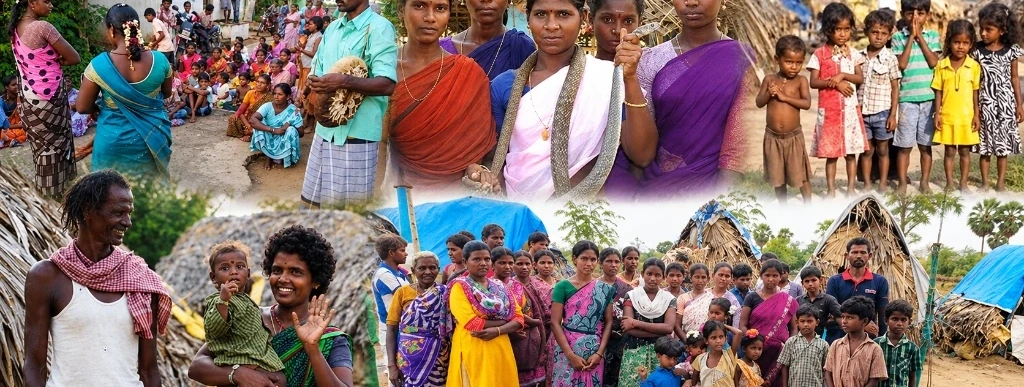
 Community SupportHealth SupportVolunteer ImpactFuture ReadyWomen EmpowermentEducation & AidCommunity SupportHealth SupportVolunteer ImpactFuture ReadyWomen EmpowermentEducation & Aid
About the Irular Community
Who the Irular are, the systemic challenges their families navigate, and their inspiring resilience to build dignified, self-reliant futures.
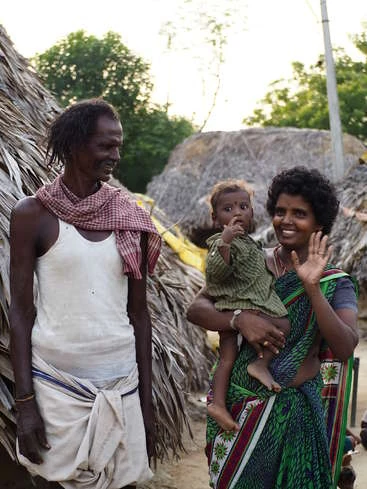
Culture, Traditional Ecological Knowledge & Changing Livelihoods
The Irular are an Indigenous community recognised as a Scheduled Tribe in Tamil Nadu and classified as one of the state's Particularly Vulnerable Tribal Groups (PVTGs). The name is historically linked to the Tamil word irul (darkness/deep forests), reflecting their deep roots in forest ecosystems.
Renowned for traditional expertise in medicinal plants, forest tracking, and wildlife knowledge, the community has experienced profound disruption as access to traditional forests narrowed. Most families across northern plains have transitioned into precarious daily-wage agricultural labour, brick kilns, and rice mills.
MVKS partners with Irular, Dalit, and Adivasi families not with assumptions of dependency, but to celebrate their inherent agency, honour their knowledge, and co-create sustainable economic pathways.
Below Poverty Line
Of surveyed Irular households in the 20 project villages live below the poverty line.
No Independent Income
Of women surveyed had no personal source of income prior to vocational training.
Irregular Income
Of households depend on insecure daily-wage labour in agriculture, brick kilns, or rice mills.
* Survey conducted by MVKS among Irular women and households across 20 villages in Madhurantagam and Uthiramerur project blocks.
Vocational Aspirations Expressed by Women
In MVKS’s village survey, women clearly expressed eagerness for marketable, home-based or nearby skills to establish financial autonomy:
MVKS's Solution: Practical training, free raw materials, MSME/Udyam enterprise federation formation, bank linkages, and exhibition sales channels.
Geographies We Serve
Real official surveyed district map of Tamil Nadu displaying our grassroots intervention centers, tribal habitations, and administrative offices.
All Tamil Nadu
MVKS actively serves across 4 key districts in Tamil Nadu with an intensive grassroots footprint across 20 remote Irular tribal habitations in Madhurantagam and Uthiramerur blocks, alongside central state operations in Chennai and community welfare programs in Virudhunagar.
Key Field Interventions:
- 20 Intensive Tribal Habitations with daily evening study centres
- Women SHG Livelihoods: Aari embroidery & wire-basket weaving
- Legal documentation: Scheduled Tribe certificates & land pattas
- Headquarters coordination & statewide higher education scholarships
Impact at a Glance
Key achievements and verifiable programme statistics drawn directly from MVKS field monitoring and monthly project reports.
Students in Evening Tuition
Across 10 village learning centres receiving Maths, English & Vedic Maths support
Women in Aari Embroidery
78 actively self-employed with ₹2,000–₹2,500/wk profit & Udyam MSME federation
Wire-Basket Artisans
73 listed as self-employed producing market-ready baskets and crafts
Trained in Digital Skills
23 placed in retail & computer centres earning ₹8,000–₹12,000/month
Saplings Planted & Nurtured
Guava and shade trees maintained across habitations with local Panchayats
Years of Grassroots Action
Steadfast commitment to tribal and marginalized families since 1996
Partner With MVKS for CSR and Community Impact
Join corporate allies and philanthropic supporters to co-fund sustainable rural transformations.
CSR Initiatives & Grassroots Partnerships
Collaborating with corporate enterprises, foundations, and CSR committees to deploy transparent, measurable interventions for tribal and marginalized communities.
Partner with MVKS for Sustainable Community Transformation
Every corporate partnership, educational sponsorship, and donor contribution fuels verifiable, grassroots change for Irular and marginalized families across Tamil Nadu.